
UAE 2025 outlook
Online rentals are exploding in the UAE, and so is the fine print
From furniture in JVC apartments to cameras for a Downtown Dubai shoot, renting online has quietly become the default for busy residents. That convenience has a shadow side: fraudsters are moving into the same marketplaces, and the scams are getting harder to spot at a glance.
This guide walks through where the market is heading, the tricks showing up most often, and the checks that keep your money safe before you hit pay.
Why this matters
Digital rental habits changed faster than the safeguards
Dubai, Abu Dhabi and Sharjah run on tight schedules. Most residents work long hours, live in rented apartments, and treat their phones as the primary shopping tool. Instead of driving across the city to compare a projector or a bouncy castle, they book it in three taps.
That behaviour has pulled real businesses online, but it also gives cover to opportunists. A fake listing sits next to a genuine one, uses the same stock photos, and undercuts the price by 30 percent. If you have never rented that category before, telling them apart from your phone screen at 10 pm is genuinely difficult.
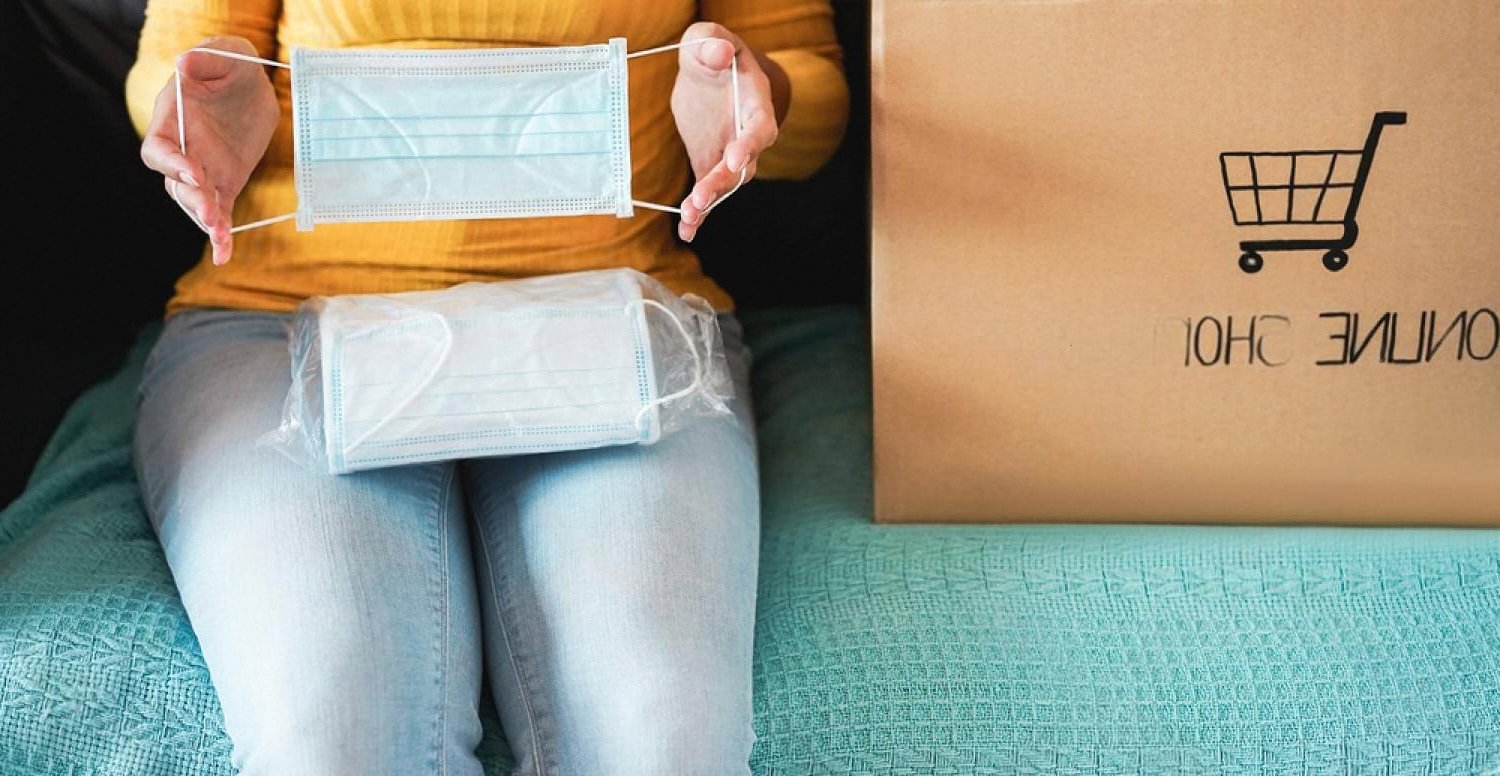
Trend 1: Fake listings are now polished, not sloppy
The days of misspelled ads and blurry photos are ending. Modern scam listings look professional, borrow imagery from real UAE suppliers, and sometimes clone entire websites down to the WhatsApp button.
- Fake listings: real photos, invented company, no physical branch you can walk into.
- Fake deposits: a “holding fee” over bank transfer, then radio silence.
- Counterfeit products: the sound system arrives, but it is a knock-off that fails halfway through the event.
- Identity theft: the “supplier” asks for a passport copy and Emirates ID front and back before quoting.
- No-show suppliers: paid in full, delivery day comes, phone switched off.
Trend 2: Warning signs are hiding in plain sight
The red flags have not really changed, but scammers have learned to soften them. A price that is 15 percent cheaper is more convincing than one that is 60 percent cheaper. Look for the pattern, not any single signal.
- Prices well below the market average for the same category
- Replies only over WhatsApp, never a business email or call
- No reviews on Google, or a wall of five-star reviews posted in one week
- No written contract, no cancellation policy, no damage terms
Trend 3: Verification is becoming a consumer habit
A growing share of UAE renters now do a two-minute background check before paying. The tools are free and public, and they filter out most fraud attempts before money moves.
- Trade licence. Ask for the DED (Dubai) or DED Abu Dhabi licence number and verify it on the official portal. A genuine event and party rentals operator will hand this over without hesitation.
- Independent reviews. Cross-check Google, Instagram tags, and community groups. Ignore reviews only on the supplier’s own site.
- Physical address. Drop the address into Google Maps and look for a real shopfront, warehouse, or office, not a generic residential tower.
- Contact details. A UAE landline (04, 02, 06) and a corporate email domain are stronger signals than a lone mobile number.
Trend 4: Payment rails are the last line of defence
How you pay decides how easily you can recover money if something goes wrong. Bank transfers to a personal account are almost impossible to reverse. Card and escrow payments give you a fighting chance.
Escrow
The platform holds your money until you confirm the item arrived and works. Common on established UAE marketplaces.
Credit card
Chargeback rights through Visa or Mastercard give you a formal route to dispute a fraudulent charge with your bank.
Secure gateways
Look for Network International, Telr, PayTabs or Stripe checkouts, and a URL that starts with https and matches the company name.
“Consumers who verify a trade licence and pay by card instead of bank transfer cut their scam exposure to a fraction. The rest is just knowing where to report it.”
What to do if you have already been scammed
Move quickly. The first 24 hours matter more than the next month. Screenshot every chat, invoice and payment receipt before anything gets deleted from the platform.
- Report to the platform. Dubizzle, Facebook Marketplace, and Instagram all have fraud report flows. This can freeze the seller’s account before others get hit.
- File with the police. Dubai residents can use the Dubai Police eCrime portal. Abu Dhabi uses the Aman service. Keep the case number.
- Contact consumer protection. The Ministry of Economy runs a consumer complaints channel and can escalate against licensed businesses.
- Call your bank. If you paid by card, request a chargeback and block further transactions to the merchant.
The UAE picture: fraud is rising, but so is awareness
Cybercrime reports across the Emirates have climbed year on year, with online shopping and rental fraud making up a large share of consumer complaints. Dubai Police and the UAE Government cybercrime portal have both pushed public campaigns telling residents to verify before paying.
The outlook for the next couple of years is a market that keeps growing, more legitimate rental platforms adopting escrow and identity checks, and stricter enforcement against unlicensed operators. Renters who build a two-minute verification habit now will barely notice the scams because they never make it to checkout.
Frequently asked questions
Is it safe to rent products online in the UAE?
Yes, when you stick to licensed suppliers, pay via card or platform escrow, and read the contract before paying. The bulk of UAE online rentals go through without issue, but the risk sits with unverified listings on open marketplaces where anyone can post.
How can I verify that a rental company in Dubai is legitimate?
Ask for their DED trade licence number and check it on the Dubai Economy portal. Confirm a physical address on Google Maps, look for reviews outside their own website, and make sure they answer on a UAE landline or corporate email, not only a WhatsApp mobile.
What payment method is safest for online rentals?
Credit card through a recognised gateway such as Network International, Telr or Stripe. If the platform offers escrow that releases funds only after delivery, use it. Avoid direct bank transfers to a personal account, since those are almost impossible to reverse if the supplier vanishes.
Where do I report an online rental scam in the UAE?
Dubai residents can file a complaint through the Dubai Police eCrime portal. Abu Dhabi uses the Aman service, and other emirates have their own police cybercrime units. You can also contact the Ministry of Economy consumer protection line and, if you paid by card, request a chargeback through your bank.
What are the biggest red flags in a fake rental listing?
Prices well below the market, pressure to pay a deposit before you have seen a contract, no reviews or a burst of new five-star reviews, communication only over one channel, and requests for full copies of your Emirates ID or passport before a quote is issued.
Can I get my money back if I paid a fake deposit by bank transfer?
Recovery is difficult but not impossible. File a police report immediately, contact your bank the same day and ask them to attempt a recall on the transfer, and report the account to the receiving bank as fraudulent. Speed and documentation are what give you the best chance.

I specialize in administrative technologies and am responsible for training other employees to use advanced systems and applications, including accounting software, mass communication procedures and organizational applications.